Aligning Encrypted Payment Pathways with Progressive Loyalty Frameworks in Reel-Based Digital Entertainment
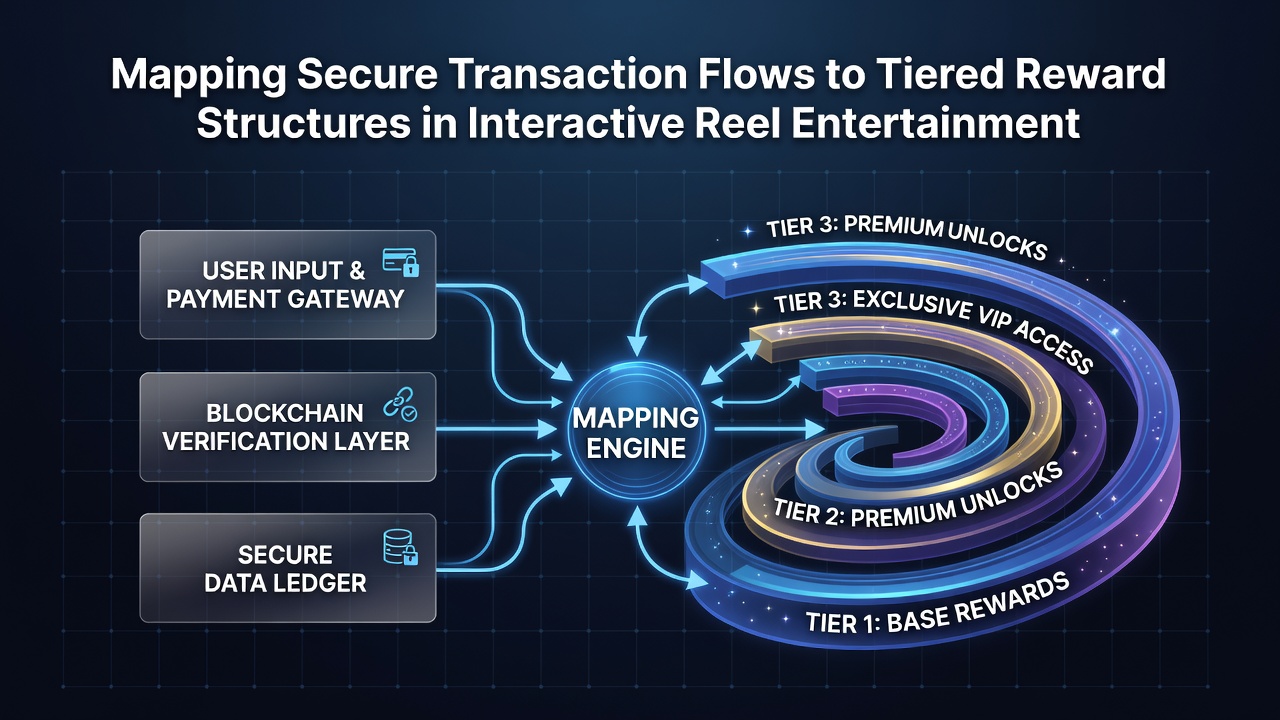
Interactive reel entertainment platforms rely on precise coordination between protected financial pathways and multi-level incentive systems to maintain operational integrity while delivering player rewards. Transaction data moves through encrypted channels that verify each deposit or withdrawal before any corresponding reward adjustment occurs in the loyalty database. This mapping ensures that higher transaction volumes or consistent activity patterns trigger automatic progression through bronze, silver, gold, and platinum tiers without exposing sensitive account details.
Payment gateways first authenticate user identity and process funds using tokenization standards that replace card numbers with unique identifiers. Once cleared, the system logs the transaction amount, frequency, and player history into a centralized analytics engine. That engine then calculates eligibility for tier advancement according to predefined thresholds such as total deposits over a rolling 30-day window or average session length across multiple games.
Core Components of Transaction-to-Reward Mapping
Developers design application programming interfaces that translate raw financial events into reward triggers. A single verified deposit above a set amount can unlock immediate tier benefits such as increased free spin allocations, while sustained activity across several weeks may elevate the entire account status. Security protocols require end-to-end encryption at every hop, and audit logs record both the payment confirmation and the subsequent reward grant so regulators or internal compliance teams can trace each step.
Regional variations influence how these systems operate. Canadian operators following guidelines from the Alcohol and Gaming Commission of Ontario integrate real-time fraud detection that pauses reward processing if transaction patterns deviate from established norms. European platforms often reference frameworks published by the European Gaming and Betting Association when configuring tier thresholds to accommodate cross-border payment methods while preserving data protection standards.
Technical Integration in Practice
Backend architectures commonly employ event-driven microservices where a payment confirmation event publishes a message to a message queue. Separate services subscribe to that queue to update player profiles, recalculate tier status, and issue corresponding rewards. This separation keeps financial processing isolated from loyalty calculations, reducing the attack surface if one component faces compromise. Observers note that such designs also allow platforms to introduce new reward tiers or adjust existing criteria without touching the payment infrastructure.
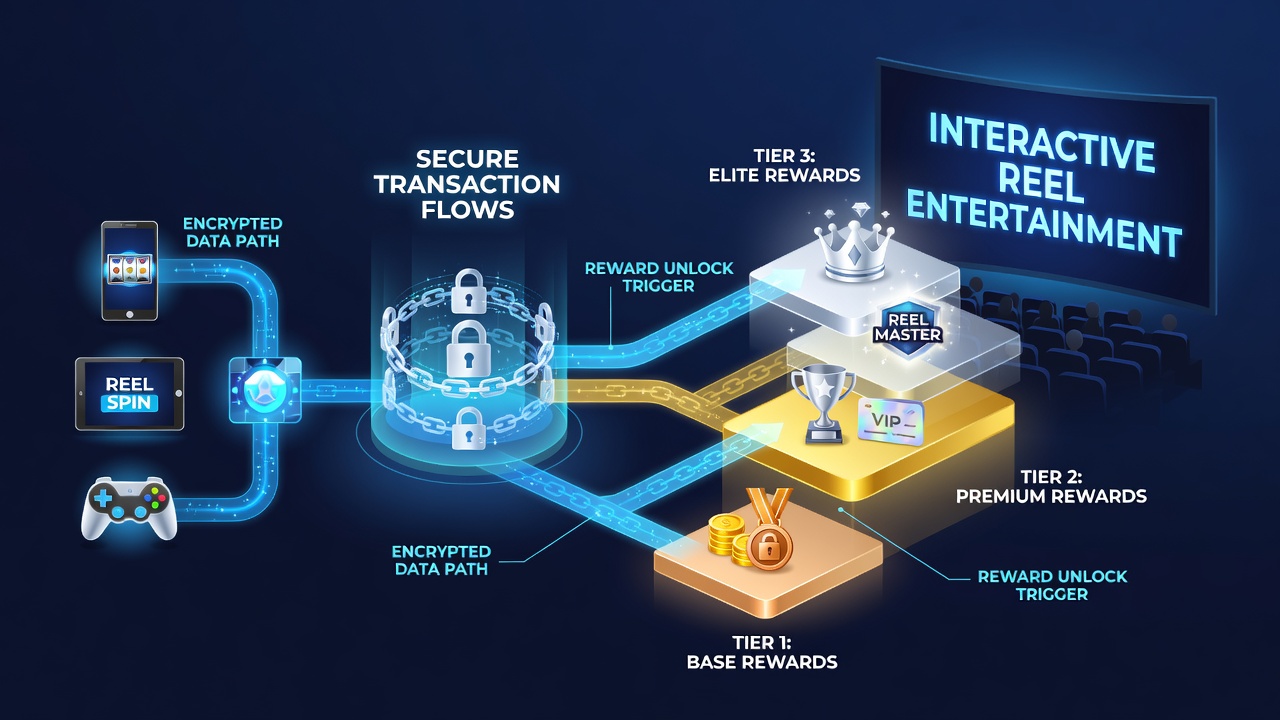
Data from industry reports compiled by the American Gaming Association show steady adoption of these integrated systems across North American markets through mid-2026. Platforms that completed upgrades before June 2026 reported smoother compliance audits because transaction histories and reward allocations resided in linked but segmented databases. Those implementations also reduced manual reconciliation tasks by routing every reward issuance through automated verification steps that cross-check payment status before activation.
Security Standards and Compliance Considerations
Encryption requirements extend beyond the payment stage to include the loyalty database itself. Many operators apply field-level encryption so that even if an attacker gains partial access, individual reward balances remain unreadable without additional keys. Tokenized references rather than raw financial identifiers travel between the payment processor and the reward engine, limiting exposure during routine data exchanges.
Academic studies conducted at the University of Nevada's International Gaming Institute have examined how these mapped systems affect player retention metrics. Their analyses indicate that clear progression pathways tied directly to verified transactions correlate with longer engagement periods, provided the security measures do not introduce noticeable latency during reward delivery. Researchers emphasize that transparent mapping rules help players understand exactly which activities advance their tier status.
Operational Examples Across Jurisdictions
Australian operators licensed under state frameworks have implemented similar architectures that tie daily deposit limits to tier-specific cashback percentages. When a player reaches a new tier, the system automatically recalculates pending rewards using the updated rate without requiring separate manual intervention. This approach maintains consistency even during promotional periods when additional incentives overlay the base tier structure.
Platforms also monitor chargeback rates and link them to tier stability. High chargeback activity can trigger temporary holds on reward processing until the underlying transaction dispute resolves. Such safeguards protect both the operator and the player by preventing premature distribution of benefits that might later require reversal.
Conclusion
Mapping secure transaction flows to tiered reward structures creates a closed-loop system in which every financial action directly informs loyalty progression under controlled conditions. The technical separation of payment verification from reward calculation, combined with encryption and audit trails, supports compliance across multiple regulatory environments. As platforms continue to refine these integrations through 2026 and beyond, the emphasis remains on maintaining data integrity while enabling seamless tier advancement for qualifying players.