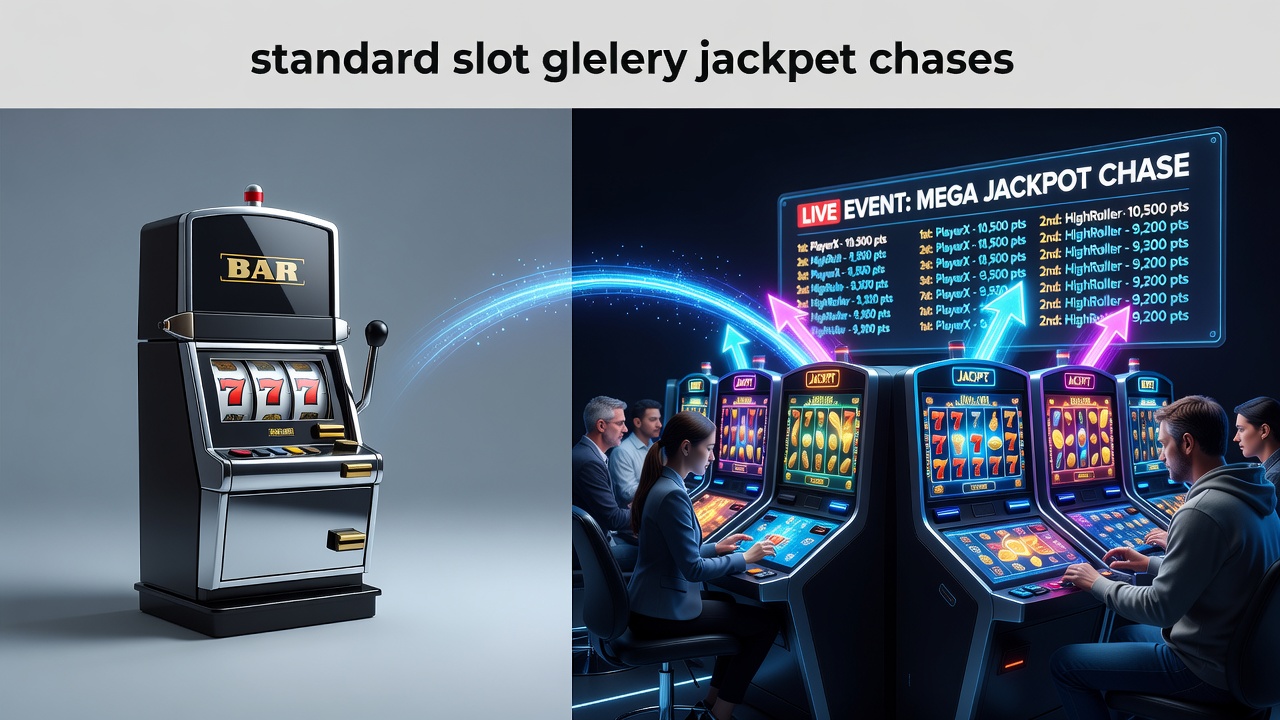
Event-Based Slot Tournaments Shift Gameplay Dynamics Toward Competitive Prize Pursuits
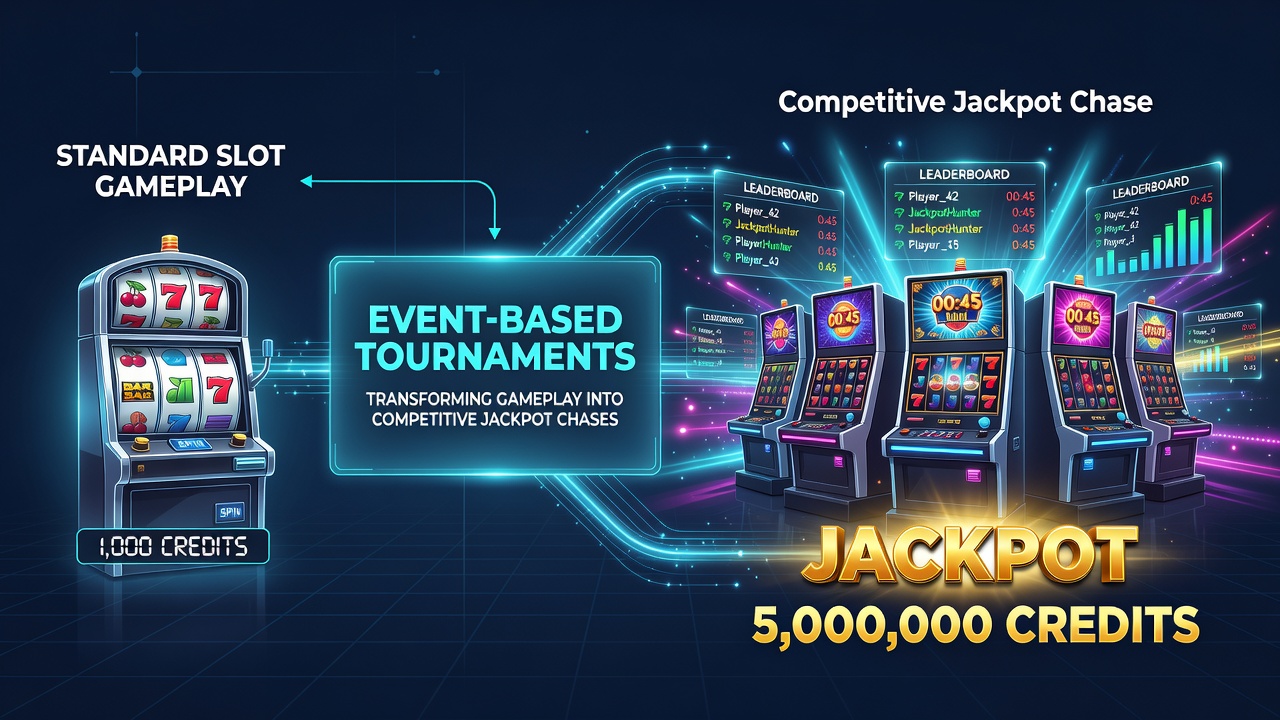
Event-based slot tournaments convert ordinary reel sessions into structured competitions where participants track scores against others in real time, and platforms often tie these events to pooled prize structures that include jackpot contributions. Players enter during designated windows, typically lasting hours or days, and their performance metrics such as total wins, multiplier achievements, or spin counts determine leaderboard positions that unlock escalating rewards. This format adds layers of progression because standard paylines and bonus rounds now feed directly into collective rankings rather than isolated outcomes. Observers note that the core loop changes when time limits and shared objectives replace open-ended play, since each spin carries implications for both personal balance and competitive standing. Data from industry reports shows participation rates climbing as operators integrate these events across multiple titles, allowing users to switch between games while maintaining cumulative tallies. In November 2026 several major platforms expanded their calendars to include weekly global events, drawing from player bases that span multiple regions and time zones.Core Features That Drive Competitive Jackpot Elements
Leaderboards form the central mechanism, displaying live updates that reflect spin results, bet sizes, and special feature triggers, while prize pools accumulate from entry fees or operator contributions that often incorporate progressive jackpot elements. Tournament rules frequently specify eligible games and scoring formulas, such as points awarded per credit won or bonuses for hitting certain reel combinations, and these parameters steer player behavior toward high-variance selections during the event window. Those who have analyzed participation logs report that users adjust stake levels and game choices more deliberately when rankings matter, compared with casual sessions outside events.
Jackpot integration occurs through dedicated tournament variants where a portion of every bet contributes to a shared prize that pays out to top finishers or triggers randomly among active competitors, and this setup mirrors traditional progressive mechanics but distributes value based on performance tiers. External data from the American Gaming Association highlights how such structures appear in regulated markets across North America, with operators adapting formats to comply with local licensing requirements while maintaining engagement metrics.
Player Behavior Patterns During Active Events
Research indicates shifts in session length and intensity because time-bound competitions encourage sustained focus, and participants often monitor multiple screens or apps to track standings while spinning. One case study from Canadian research institutions found that average bets per spin increased modestly during events when jackpot components were active, yet overall loss rates remained consistent with standard play due to the fixed prize distribution. Players frequently experiment with different titles within a single tournament because cross-game scoring allows flexibility, and this variety contrasts with the repetitive nature of solo jackpot chases.
Communication features within apps sometimes permit limited interaction among competitors, though most platforms restrict this to prevent coordination, and the emphasis stays on individual performance data. What's interesting is how the same base game mathematics apply, yet the added competitive layer creates perceived urgency that standard free spins or bonus buys lack on their own.
Regulatory Context Across Regions
Frameworks from bodies like the Nevada Gaming Control Board and Australian state regulators require clear disclosure of scoring algorithms and prize allocation, ensuring tournaments operate transparently alongside standard slot licensing. These rules influence how operators design events, particularly when jackpot elements cross into progressive territory that demands additional oversight. Figures from the European Gaming and Betting Association reveal steady growth in tournament offerings throughout 2026, with November seeing coordinated rollouts tied to seasonal promotions that attract both new and returning users.
Technical Implementation and Platform Adaptations
Backend systems track every qualifying spin in real time, syncing results across servers to update leaderboards without lag, while front-end interfaces display countdown timers and position changes that keep participants informed. Mobile integration plays a significant role because push notifications alert users to leaderboard movements or nearing event closures, and this connectivity supports the shift from solitary spins to shared pursuits. Operators test various formats, including buy-in models versus free entry with optional boosters, to balance accessibility and revenue generation during competitive periods.
Conclusion
Event-based tournaments embed competitive structures into slot environments by linking individual outcomes to collective rankings and jackpot distributions, and this transformation relies on precise timing, clear scoring, and transparent prize mechanics. Data continues to track how these formats influence engagement across different markets, with ongoing refinements expected as platforms respond to player patterns observed through late 2026. The approach maintains core slot mathematics while introducing layers that reward sustained participation within defined windows.