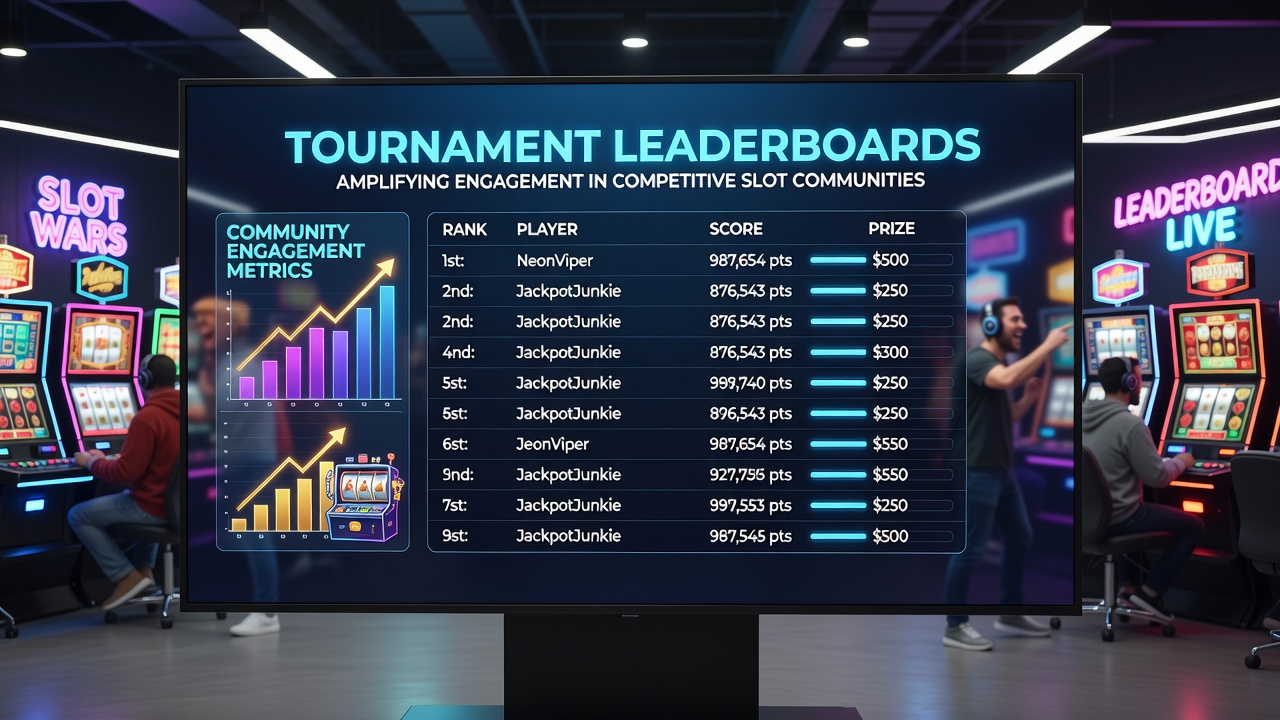
Leaderboards as Catalysts for Rivalry in Slot Gaming Communities
Slot tournament leaderboards track player performance across timed events where participants spin designated games to accumulate points based on wins, multipliers, and special features, and these systems display rankings that update in real time to show positions from first to last place. Data from industry tracking services indicate that platforms incorporating such leaderboards see increased session durations because players return frequently to monitor their standing and adjust strategies accordingly.
Mechanics Behind Leaderboard Functionality
Operators set specific parameters for each tournament including entry fees or free qualifiers, game selections, duration windows that often span hours or days, and scoring formulas that reward consistent high payouts while sometimes factoring in bonus round triggers or consecutive wins. Players receive notifications when rivals overtake them which prompts immediate re-engagement through additional spins or deposit actions to climb higher. Research conducted by gaming analytics firms shows these mechanics create feedback loops where visible progress encourages sustained activity rather than one-off sessions.
Points calculation varies by event design with some systems awarding fixed amounts for every credit won while others apply weighted multipliers during peak volatility periods to balance opportunities for different bankroll sizes. Observers note that transparent rules posted alongside the leaderboard reduce disputes and maintain trust among participants who review historical data to identify patterns in top performers.
Community Building Through Visible Competition
Competitive slot communities form around shared leaderboard experiences where participants discuss tactics in forums, share screenshots of near-misses, and form informal alliances to celebrate collective achievements during multi-week series. These interactions extend beyond individual play into group dynamics that strengthen retention as members encourage one another to meet daily targets or prepare for upcoming qualifiers. Figures from North American market reports compiled by the American Gaming Association reveal that sites with active tournament boards experience repeat visit rates up to 35 percent higher compared to those without ranking features.
What's interesting emerges when leaderboards incorporate social elements such as profile badges, achievement streaks, and team-based challenges that allow groups to compete collectively against others. This setup draws in players who value recognition and turns solitary spinning into a communal pursuit where status updates circulate through chat features integrated directly into the platform interface.
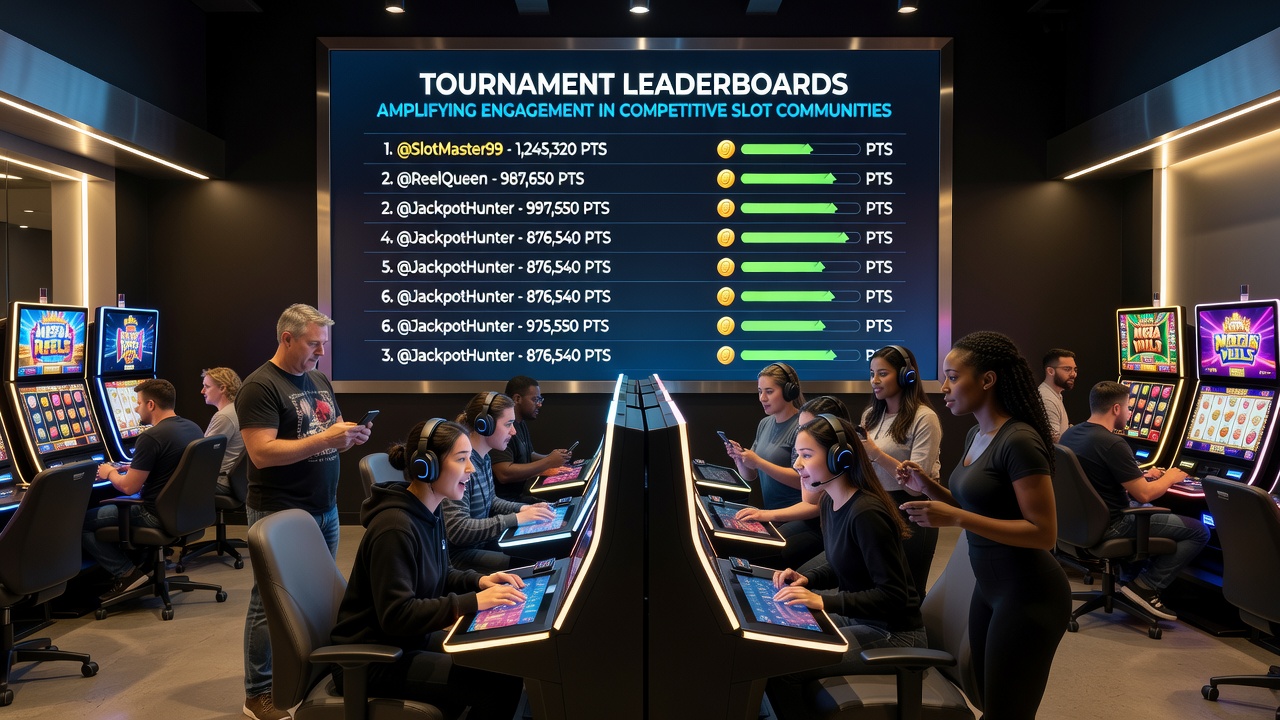
Data Patterns Observed in October 2026
Platform metrics released during October 2026 highlighted a surge in tournament entries following the introduction of cross-device syncing that lets players switch between desktop and mobile without losing leaderboard position. Canadian regulatory summaries from the Alcohol and Gaming Commission of Ontario documented parallel trends where licensed operators reported elevated engagement metrics tied directly to ranking visibility features implemented mid-year.
Academic analyses from institutions studying digital gaming behaviors further indicate that leaderboards amplify participation when they include tiered prize pools distributed across multiple positions rather than concentrating rewards solely at the top. This distribution approach keeps mid-tier players invested because smaller but frequent payouts maintain momentum throughout the event cycle.
Integration With Broader Platform Features
Many operators link leaderboard performance to loyalty programs so that accumulated tournament points convert into tier advancements or exclusive bonus offers available only to consistent competitors. Such connections create layered incentives where ranking well unlocks benefits that extend into regular play modes outside tournament windows. Industry reports from the European Gaming and Betting Association note these integrations contribute to longer-term player value by blending competitive and standard gaming experiences seamlessly.
Real-time leaderboards also feed into promotional calendars with daily or weekly resets that align with peak user activity periods identified through behavioral data. This scheduling ensures fresh competition cycles begin when traffic volumes rise which sustains interest across different time zones and player demographics.
Conclusion
Leaderboards continue to serve as core tools for structuring competition within slot environments by providing clear metrics for success and fostering ongoing interactions among participants. Evidence from multiple regulatory and research bodies demonstrates measurable lifts in session frequency and community cohesion when these systems operate with transparent rules and integrated rewards. As platforms refine scoring algorithms and expand social connectivity options the role of rankings in maintaining active player bases remains central to operational strategies across global markets.