
UK Gambling Commission Seals Deal on 2026 Online Gambling Overhaul Targeting Slots and Bingo
The Confirmation and Core Objectives
The UK Gambling Commission has officially confirmed a slate of regulatory reforms set to transform online gambling, with implementation slated for January 19, 2026, focusing squarely on the online slots and bingo sectors where player protections take center stage. These changes, drawn from extensive consultations, target promotions and stake mechanics to foster safer, simpler, and fairer experiences, as data from the Commission underscores persistent gambling harm linked to high-risk features. Observers note how previous iterations of the Licence Conditions and Codes of Practice (LCCP previous changes) paved the way, building momentum through 2025 updates that hinted at tighter controls ahead.
What's interesting here lies in the precision of the rollout, since slots and bingo account for substantial session times and spending among UK players, according to Commission figures revealing millions in annual wagers funneled through these verticals. And while the reforms span broader online gambling, slots bear the brunt due to their fast-paced spins and immersive designs, which researchers link to elevated harm rates in younger demographics.
Bonus Wagering Caps: Simplifying the Playfield
Operators now face a hard cap on wagering requirements for bonuses at 10 times the bonus amount, a move that slashes the often-daunting 30x or 50x multipliers seen in past offers, making it easier for players to convert winnings into cash. This tweak, confirmed in the latest guidance, applies across slots and bingo promotions, where free spins or deposit matches previously locked funds behind marathon playthroughs; studies found such structures contributed to prolonged sessions and unexpected losses for a notable portion of users.
Take one common scenario where players deposit £50 to snag a £50 bonus, only to grind through hundreds in bets before withdrawal—those days end come 2026, since the 10x limit translates to £500 in total wagering, a fraction of prior norms that experts observed trapping funds indefinitely. Bingo halls online, with their session-based bonuses, stand to simplify loyalty rewards too, although operators must redesign dashboards to display compliant terms upfront.
Ban on Mixed Promotions: Drawing Clear Lines
Mixed-product promotions get the axe entirely, prohibiting bundles that pair sports betting credits with slots spins or bingo tickets, a practice that blurred lines and encouraged cross-play among uncorrelated risks. The Commission data indicates these hybrids drove unintended escalation, with players dipping into slots after sports losses, amplifying harm in ways isolated offers never did; now, bonuses stick to their native category, so a slots free spin stays slots-only.
But here's the thing: this separation forces a rethink of marketing arsenals, since multi-product lures accounted for significant acquisition traffic, per industry analytics; bingo sites, often bundling with casino elements, must now segment campaigns, potentially streamlining player choices while curbing impulse shifts between verticals.
Stricter Stake Limits Reshape Slot Spins
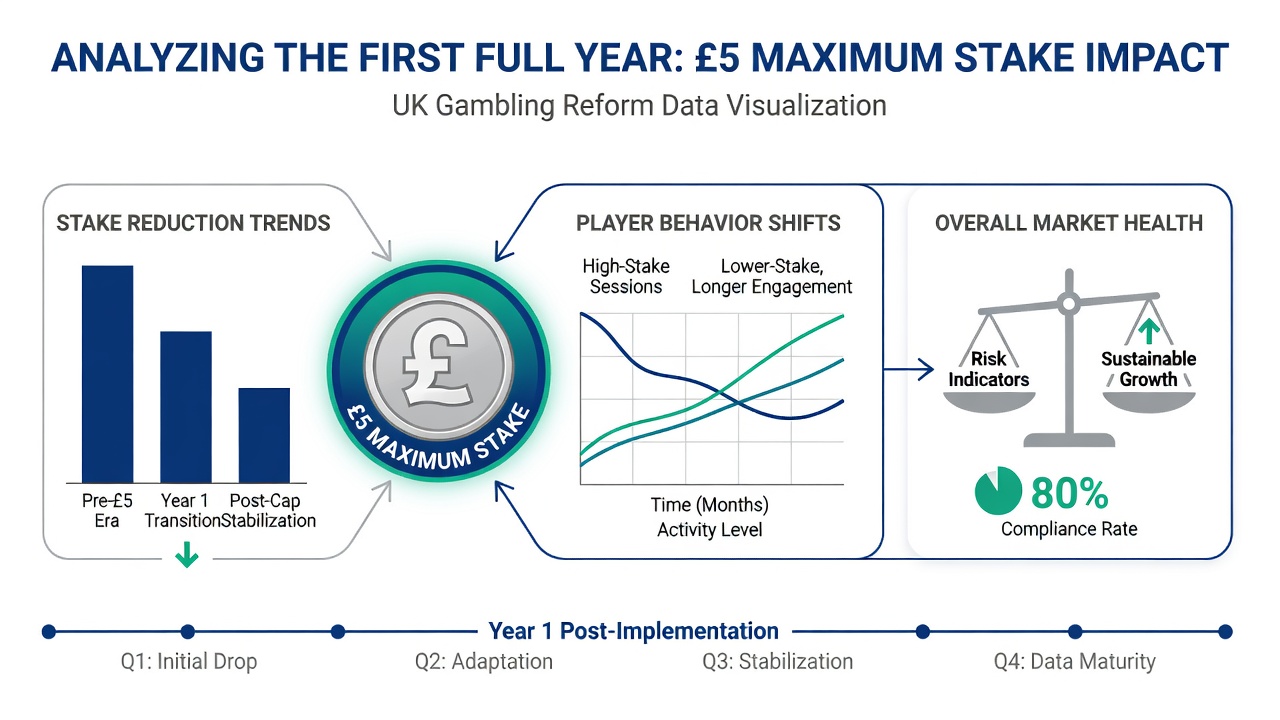
Online slots emerge as the reform epicenter with enforced stake limits—£5 per spin for players aged 25 and over, dropping to £2 for those 18-24—a tiered system rooted in behavioral data showing younger adults prone to rapid expenditure. These caps, tested in pilot phases, activate via age-verified accounts, halting high-roller spins that once hit £100 per go; the Commission reports such limits already curbed losses in trial environments by up to 40% without denting engagement for moderate players.
Players who've tested similar restrictions often discover session longevity improves, since slower pacing allows better bankroll oversight, although premium high-volatility titles may require tweaks to accommodate the ceilings. Bingo, while less spin-centric, faces indirect ripples through shared platforms, where slot-adjacent lobbies must enforce the rules seamlessly; operators integrate frictionless checks, like pop-up verifications, to comply without halting gameplay flow.
And for March 2026, additional LCCP refinements build on this foundation, with monitoring reports due quarterly to assess adherence and harm metrics, ensuring the January launch evolves based on real-time operator data submitted to the regulator.
Sector-Specific Ripples in Slots and Bingo
Online slots, commanding over 30% of UK remote gambling revenue per recent Commission stats, confront the steepest adjustments, since stake caps hit high-limit games hardest; developers now recode RTP mechanics for lower denominations, while bingo—reliant on affordable ticket packs—sees bonus redesigns that prioritize low-wager clearance over volume play. Figures reveal slots sessions average 90 minutes with £200+ spends pre-reform, patterns the new rules disrupt by enforcing measured bets, particularly for the 18-24 cohort representing 20% of active users.
One case from consultation feedback highlights a mid-sized operator projecting 15-20% traffic dips in slots lobbies post-caps, yet bingo holds steadier due to its social, lower-stakes vibe; that said, shared tech stacks mean bingo platforms upgrade slot integrations universally, a costly but necessary pivot. Experts who've modeled these shifts point to adaptive strategies like enhanced low-stake tournaments emerging as countermeasures, keeping engagement alive within bounds.
Industry Echoes: Concerns Amid Compliance Push
Stakeholders voice worries over revenue erosion—projections from trade bodies estimate 10-15% drops in slots gross gaming revenue—coupled with job cuts in compliance and marketing teams scrambling to pivot; the reality is operators eye £100 million+ in annual compliance outlays for system overhauls, audits, and staff retraining. Players potentially migrating to unlicensed offshore sites loom large too, since lax jurisdictions offer uncapped spins, though Commission enforcement ramps up with fines for non-compliance hitting seven figures in prior cases.
Turns out, forward-leaning firms already beta-test compliant slots libraries, blending gamification like progress bars for bonus tracking to retain loyalty; bingo operators, leveraging community features, position themselves as safer havens, where reforms align with responsible play narratives that resonate in a post-reform market.
So while the ball's in operators' courts to innovate, the Commission's phased enforcement—starting with warnings, escalating to license reviews—ensures minimal disruption, with March 2026 checkpoints evaluating early data for fine-tuning.
Broader Timeline and Watchpoints
January 19, 2026, marks the live date, following a 2025 transition period where operators submit compliance roadmaps; by March, initial performance metrics feed into LCCP updates, allowing tweaks if harm reductions exceed or fall short of 25% targets set in modeling. Those monitoring the space know offshore risks persist, yet enhanced advertising curbs and self-exclusion portals bolster the framework, creating a multi-layered shield.
It's noteworthy that these reforms stem from the 2022 white paper's momentum, refined through stakeholder input, positioning the UK as a global benchmark for regulated play; slots developers, for instance, showcase prototype low-stake variants at industry expos, signaling adaptation underway.
Wrapping the Reforms: A New Chapter Dawns
The UK Gambling Commission's 2026 confirmations crystallize a decade of harm-reduction efforts into actionable rules, capping bonuses at 10x wagering, severing mixed promotions, and tiering slot stakes at £5/£2 by age, all while slots and bingo navigate compliance waves set to crest in January. Data underscores the intent—safer mechanics yielding fairer outcomes—although industry data flags revenue pressures and offshore temptations as key battlegrounds ahead. With March reviews on horizon, operators and players alike gear up for a recalibrated landscape where measured play defines the spins; observers anticipate iterative enhancements, ensuring the reforms evolve with emerging patterns in UK online gambling.