
UK Government Hikes Remote Gaming Duty to 40% on Online Slots and Casino Games from April 2026
The Shift in Remote Gaming Duty: Targeting High-Risk Online Products
Starting April 1, 2026, the UK government implemented a near-doubling of the Remote Gaming Duty (RGD), pushing the tax rate on online slots and casino games from 21% to 40%, a move designed specifically to address higher-risk gambling activities while leaving lower-risk options like sports betting untouched. HM Revenue & Customs oversees this fiscal adjustment, which zeroes in on products deemed more prone to player harm, such as slots with rapid spin mechanics and casino table games played remotely. Data from industry reports highlights how this change spares bets on horse racing or football matches, keeping those duties steady at lower levels, but operators of online slot platforms now face significantly steeper costs on gross gaming revenue from these verticals.
What's interesting here is the precision of the policy; regulators drew a clear line between risk categories, basing the hike on assessments of game speed and payout structures that experts link to prolonged play sessions. According to official gambling duty changes, the adjustment aligns with broader efforts to balance revenue generation for public services against consumer protection, ensuring that casual bettors on sports aren't hit by the same burden. Operators have until the implementation date to recalibrate their models, but the writing's on the wall: high-stakes slots will bear the brunt.
Projected Costs and Ripple Effects Across the Industry
Figures reveal that this tax increase could cost gambling operators more than £1 billion annually, a staggering hit derived from calculations on current market gross gaming revenue, where online slots contribute a hefty slice. Those who've crunched the numbers note how the jump from 21% to 40% effectively erodes profit margins overnight, prompting early signals of strategic shifts like trimming return-to-player (RTP) percentages on affected games to offset the levy. Take major players such as Flutter Entertainment, the powerhouse behind brands like Paddy Power and Betfair; analysts observe how such firms might consolidate operations or pivot resources toward less-taxed areas, potentially leading to mergers with competitors like Evoke.
But here's the thing: industry consolidation isn't just speculation; past tax hikes in other markets have triggered similar moves, where smaller operators get absorbed by giants better equipped to absorb the blow. Experts tracking UK gambling trends point out that RTP adjustments, if pursued, would lower typical slot payout rates—often hovering around 94-96%—by a few percentage points, directly impacting player returns while helping firms stay afloat. And while sports betting escapes the hike, its operators still feel indirect pressure as cross-platform players migrate, squeezing overall revenue streams in a zero-sum game.
Timing Aligns with Key Regulatory Transitions
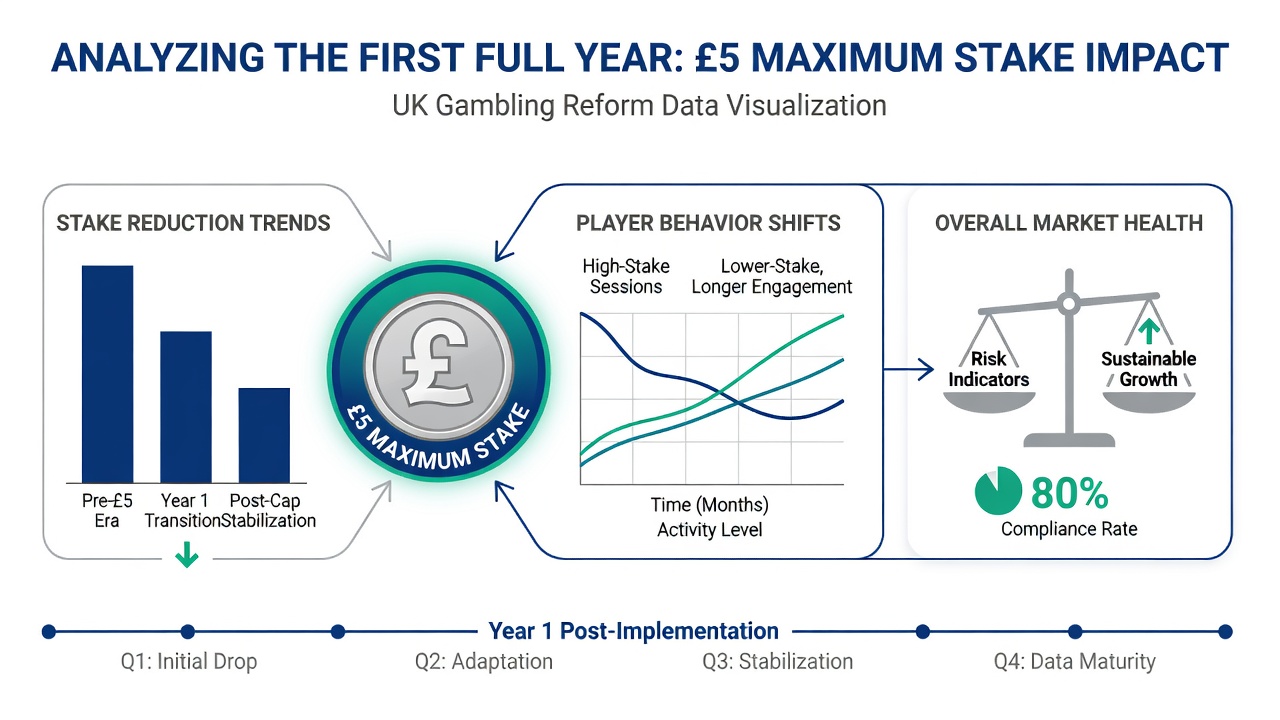
The RGD change lands at a pivotal moment, coinciding with the UK Gambling Commission's leadership shake-up as CEO Andrew Rhodes steps down on April 30, 2026, after steering major reforms through turbulent times. Observers note how this fiscal policy dovetails with earlier 2026 updates, including promotional caps that already curbed aggressive marketing on slots, creating a one-two punch for the sector. Rhodes' tenure saw the rollout of stake limits on online slots earlier in the year, measures that tiered maximum bets based on player age and session length, further tightening the environment before the tax hammer falls.
So, as HMRC enforces the duty hike, the Gambling Commission transitions to new leadership, potentially signaling continuity or fresh scrutiny on compliance. Data indicates that these overlapping changes stem from a 2023 review of gambling duties, which recommended higher rates on remote products to fund problem gambling support while capturing revenue from a booming digital market now worth billions. It's noteworthy that sportsbooks, with their slower-paced wagering, remain at 15% or lower, underscoring the risk-based rationale that policymakers hammered home in consultations.
- Remote slots and casino games: Now 40% RGD.
- Sports betting and lotteries: Unchanged lower rates.
- Annual operator cost: Exceeds £1 billion.
- Key date: April 1, 2026, implementation.
Operator Strategies and Market Reactions Unfold
Flutter Entertainment, fresh off strong earnings reports, has publicly flagged the tax as a margin squeezer, with executives hinting at portfolio reviews that could see underperforming slot-heavy sites streamlined or sold off. Evoke, another heavyweight navigating Betfred's online arm, faces similar math; their leadership has modeled scenarios where RTP tweaks preserve viability, although such moves require Gambling Commission nods to avoid misleading players. Turns out, the sector's adaptability shines through historical precedents—like Ireland's 2015 levy increase that spurred tech investments—but UK firms now grapple with a perfect storm of taxes, caps, and leadership flux.
People in the know highlight how this could accelerate tech shifts too; operators might lean harder into AI-driven responsible gambling tools or hybrid sports-slot platforms to dilute the tax exposure. One case from Australia, where analogous duties hit 20 years back, showed consolidation waves claiming dozens of smaller licensees, a pattern UK watchers predict could repeat by late 2026. Yet, with the ball now in operators' court, early filings suggest most plan to pass minimal costs to players via subtle game adjustments rather than outright hikes in minimum stakes.
And while the £1 billion figure grabs headlines—pulled from High Stakes DB reports—it's the long-tail effects that intrigue analysts, from job shifts in Leeds' gambling hubs to innovation in lower-risk verticals. Regulators maintain the policy funds NHS addiction services, closing the loop on revenue recycled for protection measures.
Conclusion
This April 2026 RGD escalation to 40% marks a watershed for UK online slots and casino operators, layering fresh fiscal weight atop stake limits and promo curbs while sports betting holds steady. With costs topping £1 billion yearly and giants like Flutter and Evoke eyeing RTP trims or mergers, the landscape reshapes swiftly under HMRC's watch and amid Gambling Commission transitions. Data underscores the risk-focused intent, but the reality is clear: adaptation defines survival in this high-stakes pivot, as the industry balances innovation against intensified duties long into 2026 and beyond.