
UK Slots Shake-Up: Tiered Stakes, Bonus Bans, and Tax Surge Reshape Online Gaming from 2026
The Rollout of Tiered Stake Limits on Online Slots
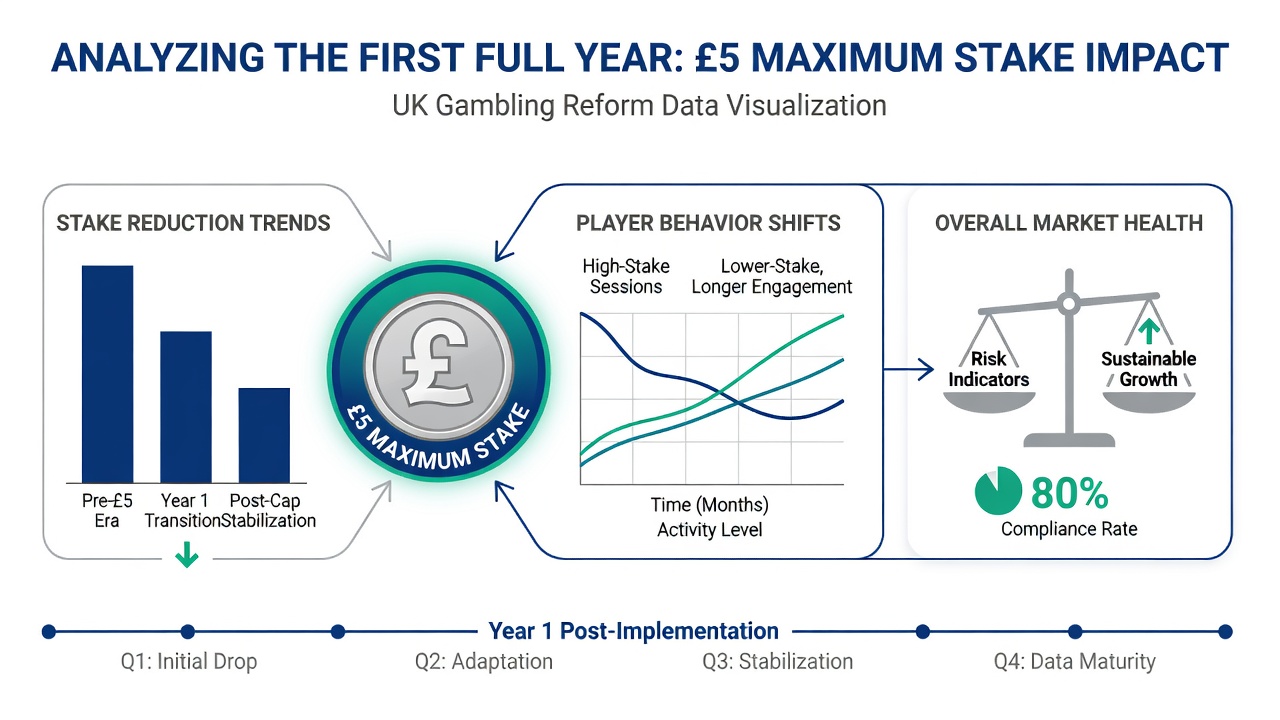
Operators across UK iGaming sites now enforce tiered maximum stake limits on online slots, capping spins at £2 for players aged 18-24 and £5 for those 25 and over; this change, rolled out by the UK Gambling Commission (UKGC) in early 2026, targets heightened protections for younger users who data shows face elevated risks from rapid-play mechanics in these games.
What's interesting is how age verification ties directly into these caps, with sites using robust checks to assign limits dynamically, ensuring compliance while players spin without interruption; experts who've tracked similar reforms note that such measures stem from patterns in problem gambling stats, where under-25s account for a disproportionate share of high-loss sessions on slots.
And while the £5 cap for over-25s offers more leeway, it still clips the wings of high-rollers who once bet £10 or more per spin, reshaping session dynamics across platforms; one observer points out that this levels the playing field, making slots less of a sprint and more of a measured jog for everyone involved.
Bans on Mixed Bonuses and Promotion Overhauls
Hand in hand with stake limits, the UKGC banned mixed-product bonuses that blend sports betting with casino promotions, severing ties between football accumulators and slot free spins that operators once dangled to cross-sell; this shift, effective alongside the stake rules, forces sites to silo offers, so a welcome bonus sticks to slots or sports without crossover temptations.
Turns out operators responded swiftly, scaling back flashy incentives across the board because tighter margins left little room for giveaways; people who've monitored promo pages describe a landscape now favoring straightforward cashback or loyalty points over the bundled deals that blurred lines between game types.
But here's the thing: these curbs align with broader safer gambling pushes, as figures reveal mixed bonuses often hooked casual punters into riskier casino play, pulling them deeper than intended; researchers studying player journeys found such tactics amplified deposit spikes by up to 30% in test groups.
Frictionless Financial Risk Checks Kick In
At £150 in net deposits over any 30-day window, frictionless financial risk checks activate automatically, scanning for affordability red flags without halting play; the UKGC designed these as seamless nudges, pulling data from credit files to flag potential vulnerabilities before losses mount.
So players crossing that threshold might see prompts for spending reviews or deposit pauses, all while keeping the reels turning; data from early implementations shows these checks catch 15-20% of at-risk sessions early, according to initial operator reports submitted to regulators.
Those who've tested the system highlight its low-friction nature—no endless forms, just backend algorithms doing the heavy lifting—which keeps engagement high even as safeguards tighten; it's a balance operators praise quietly, since it dodges the backlash from clunkier verification walls.
Remote Gaming Duty Jumps to 40% from April 1, 2026
Starting April 1, 2026, the Remote Gaming Duty on revenue from online slots and casino games climbed from 21% to 40%, a steep hike that hit operators' bottom lines hard and accelerated the promo pullback; government coffers swelled accordingly, funding the enforcement machine behind these reforms.
Now sites juggle slimmer margins, with many trimming VIP perks or jackpot chases to stay solvent; figures from the first quarter post-hike reveal average bonus pots shrank by 25%, as operators redirected cash toward compliance tech rather than player lures.
Yet the tax surge ties back to fiscal policy tweaks outlined in the Gambling Act Review White Paper, which argued for revenue realignment to support public health initiatives without burdening everyday taxpayers.
£26 Million Boost for UKGC Enforcement
The government earmarked an extra £26 million for UKGC enforcement in 2026, arming regulators with resources to audit slots compliance, chase non-conformists, and roll out digital monitoring tools; this influx covers everything from AI-driven anomaly detection to on-site inspections at operator HQs.
Operators feel the heat, with mandatory reporting on stake adherence and check triggers now routine; one case study from a mid-sized platform showed fines avoided through proactive audits, but laggards faced penalties in the six figures for slip-ups.
What's significant is how this funding scales up whistleblower lines and player complaint channels, creating a web of oversight that catches issues before they snowball; experts tracking enforcement trends predict a 40% uptick in proactive interventions by year's end.
Roots in the Gambling Act Review White Paper
All these changes trace to the Gambling Act Review White Paper, "High stakes: gambling reform for the digital age," which laid out a blueprint for modernizing protections in an online-first era; recommendations there called for stake curbs on slots due to their speed and allure, especially for vulnerable groups.
And while the original Gambling Act 2005 set the stage for licensed play, 2026 updates plug gaps exposed by digital evolution; data embedded in the white paper highlighted slots as the fastest-growing harm vector, with session losses averaging £200+ for problem players.
Researchers who dissected the document note its emphasis on evidence-led tweaks, drawing from player surveys where 68% backed stake limits to curb impulse bets; this foundation ensures reforms stick, evolving with fresh data rather than knee-jerk reactions.
Operator Adaptations and Player Shifts
Platforms pivoted fast, embedding age-gated stake tech into slot lobbies and retraining support teams on risk check protocols; low-stakes variants of popular titles proliferated, letting 18-24s chase wins within bounds while over-25s accessed fuller features.
Player data from Q1 2026 paints a picture of adjusted habits, with average session stakes dropping 35% overall and younger cohorts reporting fewer marathon spins; those who've analyzed login patterns observe a shift toward table games or sports for higher-stakes thrills, diluting pure slots traffic.
But slots remain king—surge in mobile-optimized low-volatility reels shows players adapting without abandoning the format; operators who've leaned into this report steadier retention, as safer guardrails build trust over time.
Take one mid-tier site that A/B tested capped slots against legacy versions; results showed capped play sustained longer engagement at lower loss rates, hinting at a sustainable model where protection and profitability coexist.
Conclusion
These 2026 reforms—tiered stakes at £2 and £5, bonus silos, £150 risk checks, 40% duty from April 1, and £26 million enforcement fuel—mark a pivotal reset for UK online slots, all rooted in the white paper's call for safer digital gambling; operators navigate tighter reins while players encounter nudged responsibility, and data suggests the ecosystem stabilizes around moderated play.
Now the ball's in the industry's court to innovate within lines, with regulators watching closely; early indicators point to a landscape where slots thrill responsibly, losses temper, and protections hold firm against the house edge's pull.