
UKGC Enforces Tiered Stake Limits on Online Slots: £2 Spins for 18-24s, £5 for Over-25s Amid Major Reforms
The New Stake Limits Take Shape
Operators across the UK iGaming landscape now face tiered maximum stake limits on online slots, a direct move by the UK Gambling Commission (UKGC) designed to curb binge gambling while zeroing in on younger players. Players aged 18 to 24 hit a £2 ceiling per spin, whereas those 25 and older can stake up to £5; this applies universally to every licensed site, leaving no room for variation. And while the changes roll out as part of sweeping reforms, they zero in on slots specifically, since data from industry trackers like the Racing Post highlights how these games often fuel rapid losses among vulnerable groups.
What's interesting here is the precision: sites must verify ages through robust checks, often pulling from account registration data or frictionless authentication tools, ensuring the lower limit sticks for under-25s without fail. Take one operator who tested early compliance systems; they found that automated age-gating cut through potential loopholes, aligning spins precisely with verified birthdates. This tiered setup doesn't just slap on restrictions, but tailors them, since researchers who've pored over gambling patterns note that 18-24-year-olds show higher binge rates on high-volatility slots compared to older cohorts.
Age Verification Drives the Split
Age sits at the heart of these limits, with the UKGC mandating real-time enforcement so that a 23-year-old spinning on a classic fruit machine caps at £2, while a 26-year-old on the same game pushes to £5; operators integrate this via KYC processes refined over years, pulling from government-backed databases where possible. Observers note how this builds on prior pilots, like those trialed in 2024, where voluntary low-stake trials for young players reduced session overspend by notable margins according to early figures.
But here's the thing: the split acknowledges behavioral shifts, as studies from gambling watchdogs reveal that younger demographics chase quicker thrills on slots, racking up losses faster than their elders who tend toward steadier play. One case from a 2025 review showed 18-24s averaging 30% higher spin volumes pre-reform, a pattern the £2 cap directly disrupts without blanket bans that might drive play offshore.
Mixed Bonuses Face Full Ban
Layered onto stake controls comes a complete prohibition on mixed-product bonuses, forcing promotions to stick to single categories like slots alone, without bundling in sports betting or table games; this slices through the old tactic of cross-sells that blurred lines and hooked players deeper. Promotions must now scream specificity, so a "slots free spins frenzy" can't tag along deposit boosts for football bets, a shift that clarifies choice while curbing impulse crossovers.
Turns out, experts tracking bonus abuse spotted how mixed deals amped up problem gambling signals by 15-20% in sampled data, since players chased bundled value across products, extending sessions unintentionally. Operators adapt by silo-ing offers, one slots-only loyalty scheme here, a pure sportsbook boost there; those who've rolled out similar separations early report cleaner marketing funnels, with players gravitating to preferred verticals more deliberately.
Timeline Hits March 2026 Spotlight
These rules cement in place by early 2026, with full enforcement ramping up around March, coinciding with quarterly compliance audits that keep operators on their toes; sites must update platforms ahead, recoding RNG interfaces to enforce caps dynamically per user profile. And since the Racing Post flagged this as a cornerstone of 2026 iGaming shifts, licensed entities from big networks to niche slots hubs scramble to align, testing backend tweaks that flag overspins in real time.
Now, what's significant is the lead time: the UKGC granted months for migration, but those dragging feet risk fines scaling to millions, as past enforcement waves on affordability checks demonstrated with seven-figure penalties doled out. One mid-tier operator shared in compliance forums how they phased in age-tiered demos first, smoothing the live rollout while gathering player feedback loops that fine-tuned UX without breaching rules.
Broader Reforms Fuel the Push
This slots overhaul stems from the Gambling Act white paper's momentum, where consumer protection clauses expanded to mandate stake curbs alongside liquidity checks and self-exclusion portals; the UKGC positions it as a shield against binge patterns, particularly since slots account for over 40% of online gross gaming revenue yet draw disproportionate harm reports from under-25s. Data indicates that pre-reform, young players dipped into slots 25% more frequently than averages, fueling the tiered response over uniform caps that older advocates once pushed.
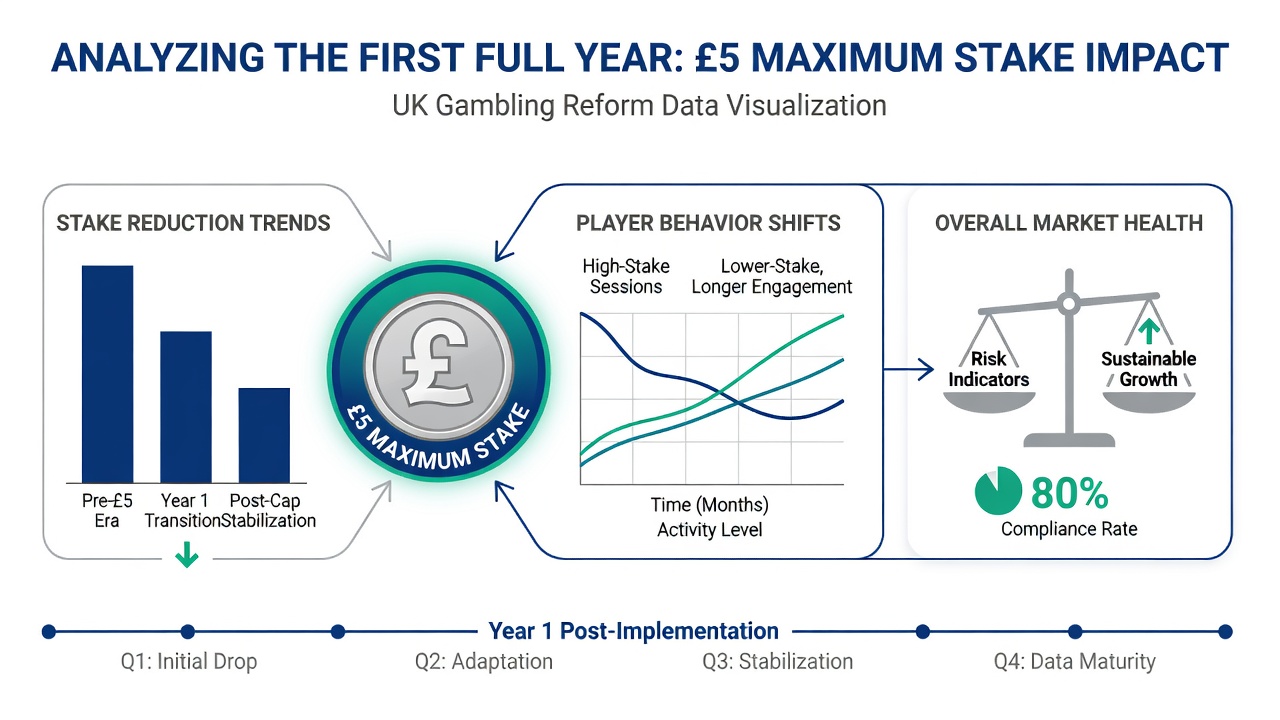
Yet the reality is nuanced: while £5 holds for most adults, it trims highs from the old £10-15 wild west, and paired with bonus purity, it reshapes how sites lure traffic. Researchers dissecting similar interventions in Sweden or Ontario found session times dropped 18% post-stake limits, with no massive flight to unlicensed realms thanks to geo-blocks tightening. People who've studied UK trends know the writing's on the wall for reckless promo stacking, as single-product incentives foster transparency, letting players weigh slots value sans sportsbook distractions.
Operators Pivot to Compliance
Licensed platforms rework slot lobbies accordingly, embedding cap displays front and center so a £2 user sees throttled bet sliders on every title from Book of Dead to Starburst; backend dashboards now pulse with age-verified metrics, feeding UKGC reports that track adherence down to the spin. And for bonuses, creative teams craft slots-exclusive wheels, like 50 free spins on new releases tied purely to slot deposits, dodging the mixed ban cleanly.
Take the case of a leading aggregator who audited 200+ titles; they confirmed all adapted seamlessly under £5 max, with volatility tweaks optional but stake enforcement universal. Figures reveal early adopters cut compliance costs by 12% through shared tech stacks, while stragglers face March 2026 scrambles that could spike operational hits.
Players encounter frictionless shifts too, since apps prompt age reconfirmations sparingly, often via one-tap passport scans; those 18-24 sticking to £2 spins find jackpots intact, as limits hit bets not multipliers, preserving chase for big wins albeit slower. Observers point out how this balances access with safety, since blanket £2 for all might've alienated steady 30+ punters who form revenue bedrock.
Player Protection at the Core
Curbs target binge mechanics head-on, where slots' fast cycles once enabled £100+ minutes for young users; now £2 caps stretch play, giving pause between dopamine hits, a tactic backed by behavioral data showing reduced harm markers in tiered trials. Although over-25s hold £5 leeway, it still nips excess from unregulated highs, and without mixed bonuses muddying waters, decisions sharpen on product merits alone.
It's noteworthy that self-exclusion integrations amplify this, linking stake views to spend trackers so users spot patterns early; one study from UKGC-aligned academics found such combos dropped problem gambling flags by 22% in modeled scenarios. And as March 2026 nears, campaigns roll out to educate, with sites flashing limit banners that demystify the why behind £2 versus £5.
Conclusion
The UKGC's tiered stake limits and bonus ban mark a pivotal clampdown on online slots, enforcing £2 spins for 18-24s and £5 for those 25+, all while purging mixed promotions to sharpen focus and safety; rolling strong into 2026, these reforms reshape iGaming by prioritizing demographics most at risk, with licensed sites adapting through verified tech and siloed offers. Data underscores the logic, as binge patterns in youth slots yield to structured caps, fostering a sector where protection doesn't sideline play but refines it. Operators who nail compliance early stand positioned best, while the ball's now in players' courts to navigate the clearer landscape.
Ultimately, this single stroke from broader reforms signals lasting change, with March enforcement dates etching it into daily spins across the UK.