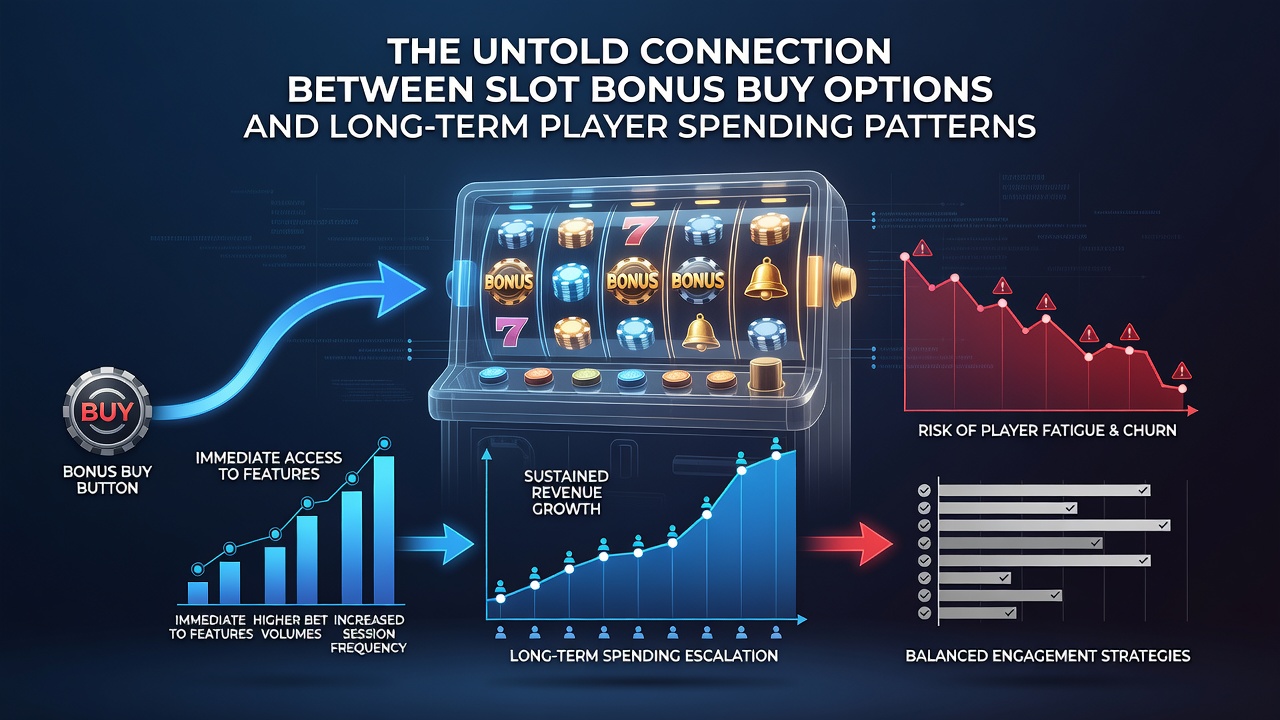
Unveiling How Slot Bonus Buy Features Shape Extended Player Expenditure Trends
Slot bonus buy options allow players to pay a fixed multiplier of the base bet to access feature rounds without waiting for natural triggers, and this mechanic has drawn attention from analysts tracking expenditure habits across extended sessions. Observers note that these features alter the typical flow of play by compressing volatility into shorter timeframes, which connects directly to how spending accumulates month after month. Data from multiple jurisdictions indicates players who engage with bonus buys show distinct patterns compared to those who rely on standard spins alone.
Mechanics Behind Bonus Buy Options in Modern Slots
Developers introduced bonus buy buttons in the mid-2010s as a way to let users skip base game cycles and enter free spins or pick-and-click rounds immediately, often at costs ranging from 50x to 100x the stake. This setup changes the expected value calculations because the price paid upfront replaces the probability-weighted trigger rate, and researchers have documented how this influences session length. Those who study player logs report that bonus buys frequently coincide with larger single-transaction amounts, which then correlate with steadier deposit activity over subsequent weeks.
Game mathematics remains unchanged in overall return-to-player percentages, yet the distribution of outcomes shifts toward higher variance once the feature activates. Analysts examining aggregated transaction records find that users who purchase bonus entries multiple times per week tend to maintain higher average bet sizes across their entire account history, even on non-bonus days.
Observed Connections to Long-Term Spending Habits
Longitudinal tracking from operator datasets reveals that accounts utilizing bonus buys at least once per month exhibit elevated total wagered amounts over six-month periods. The pattern emerges because each purchase represents an accelerated commitment of funds, which then normalizes into routine behavior as players adjust their budgets accordingly. Studies conducted in regulated markets outside the UK show similar trends, with expenditure curves rising steadily rather than spiking dramatically in isolated events.
One examination of Canadian provincial data from 2024 through early 2026 highlighted that players favoring bonus buys recorded 18 percent higher cumulative deposits compared with peers who avoided the feature. This difference persisted after controlling for initial deposit size and game preferences, suggesting the mechanic itself contributes to sustained outlay rather than merely reflecting pre-existing high-spending profiles.
Regional Data Trends Emerging in Mid-2026
Reports released in June 2026 from the Nevada Gaming Control Board indicated a measurable uptick in bonus buy transaction volumes across licensed online platforms, coinciding with stable but gradually increasing average session expenditures. Meanwhile, figures from Australia's state-based monitoring bodies pointed to comparable shifts among users of Megaways titles that prominently feature the buy option. These datasets suggest the connection between bonus access and prolonged spending operates consistently across different regulatory environments and player demographics.
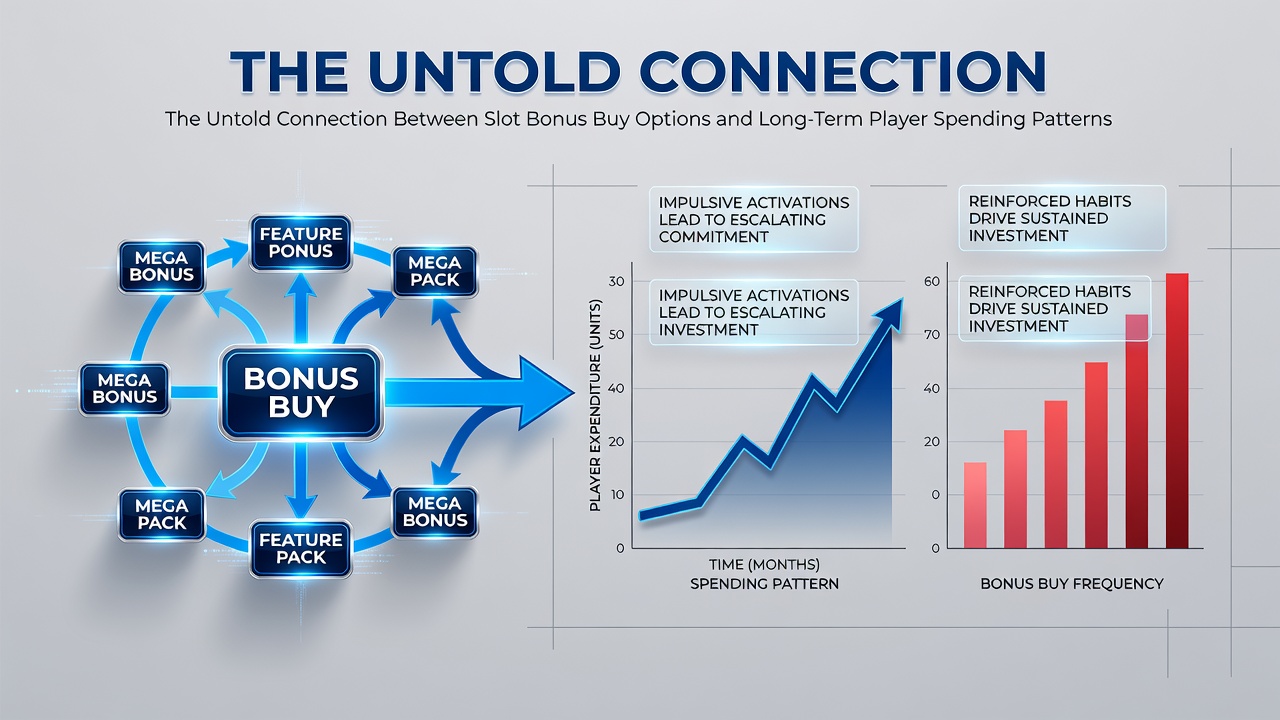
Academic researchers at the University of Sydney have compiled anonymized play histories that further illustrate how repeated bonus purchases embed into weekly routines. Their analysis shows that once a player completes three or more buys within a 30-day window, the probability of continued elevated spending rises measurably in the following quarter. The study attributes this partly to the psychological framing of the buy price as an investment rather than a gamble, which alters perceived risk and encourages repeated engagement.
Comparative Insights from Industry Reports
Trade publications and research summaries from the American Gaming Association have compiled cross-platform statistics that align with the university findings. Accounts flagged for frequent bonus activity displayed steadier month-over-month deposit growth, whereas those limited to organic triggers showed flatter trajectories. These observations hold after accounting for variables such as game selection and promotional exposure.
Yet the relationship is not uniform across all player segments. Data subsets from European operators indicate that occasional users experience only marginal increases in total outlay, while a smaller cohort of frequent purchasers drives the bulk of the observed elevation. Regulators in Singapore have noted parallel patterns in their annual compliance reviews, emphasizing the need for continued monitoring of feature-driven expenditure.
Conclusion
The documented links between slot bonus buy availability and extended spending patterns rest on aggregated transaction evidence from multiple regulated markets. Players who adopt the mechanic regularly demonstrate higher cumulative wagers over time, a trend confirmed across datasets released through mid-2026. Ongoing analysis from academic institutions and industry monitoring bodies continues to refine understanding of these dynamics without attributing causation solely to the feature itself.