
Vast Illegal Casino Network Exposed: Curaçao Operators Target UK Players Amid Gambling Crackdown
A Guardian Probe Lifts the Lid on Offshore Gambling Empire
Investigators at The Guardian delved deep into a sprawling web of unlicensed online casinos preying on UK gamblers, uncovering operations run by Santeda International BV from the shores of Curaçao; this company, tied to Georgian businessmen through the Upgaming platform, powers sites like MyStake, Velobet, and Goldenbet, all dodging UK Gambling Commission oversight while luring in players with promises of big wins and easy access.
What's striking here is how these platforms slip past barriers meant to protect vulnerable folks, bypassing self-exclusion schemes such as GamStop that UK-licensed sites must honor; players who've signed up to block themselves from gambling find doors wide open on these offshore alternatives, leading straight to unchecked play and mounting losses.
Data pulled from November 2025 through January 2026 paints a stark picture, revealing 2.3 million unique UK visitors each month flocking to these sites, numbers that experts say underscore the pull of unregulated gaming in a market already tightening under new stake limits and reforms.
Behind the Scenes: Santeda International BV and Its Global Ties
Santeda International BV stands at the helm of this network, basing its headquarters in Curaçao where licensing rules differ sharply from the UK's stringent standards; links to Georgian businessmen emerge via the Upgaming platform, a software provider that equips these casinos with the tech backbone for slots, tables, and live games tailored to hook players fast.
Observers note how Curaçao's regulatory environment, often criticized for lax enforcement, allows such outfits to thrive while advertising aggressively toward restricted markets like the UK; sites under this umbrella share backend systems, player databases, and promotional tactics, creating what amounts to a unified front despite operating under multiple brand names.
And here's where it gets interesting: despite lacking UK Gambling Commission licenses, these platforms mirror licensed ones in look and feel, offering familiar deposit methods, mobile optimization, and bonuses that draw in punters frustrated by domestic caps on stakes or losses.
Popular Slots and the Lure of Unregulated Play
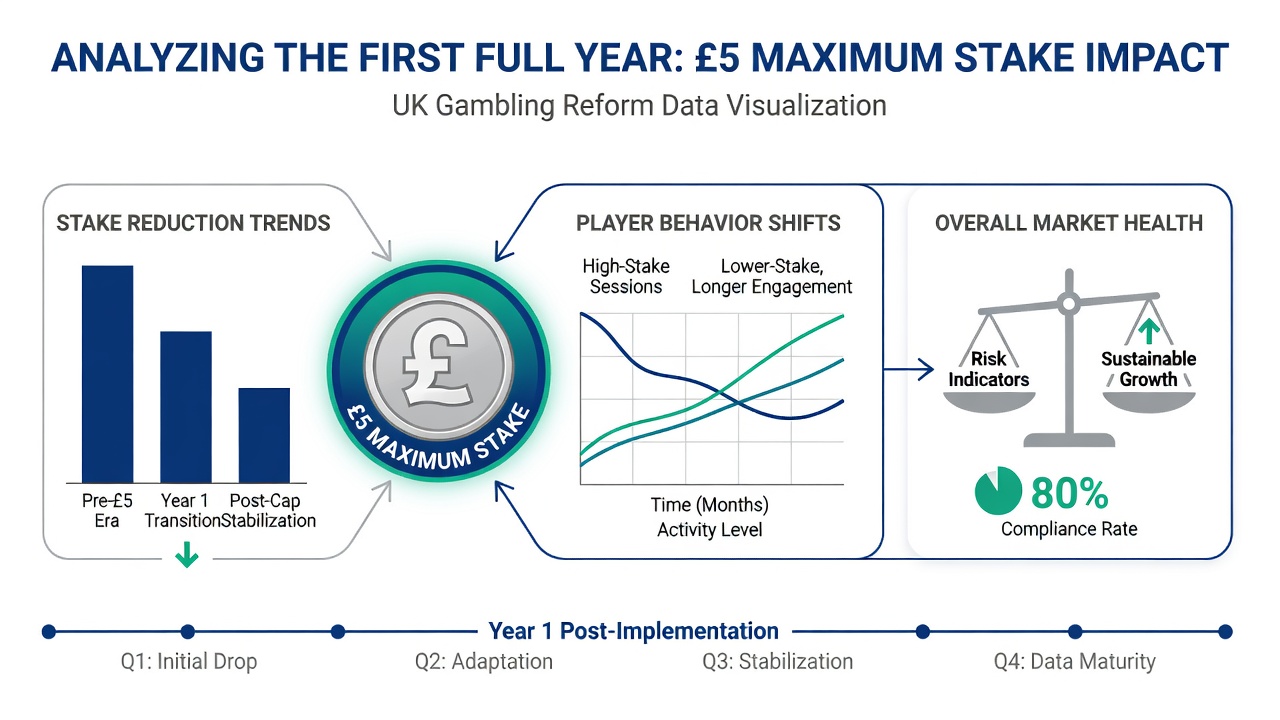
Slot enthusiasts find plenty to spin on these sites, with titles like Rise of Merlin and Golden Piggy Farm taking center stage; these games, featuring cascading reels, free spins, and jackpot pursuits, pull players into extended sessions, especially since offshore operators face no duty to enforce UK's tiered stake limits—such as £2 spins for 18-24-year-olds or £5 for those over 25.
Take Rise of Merlin, a fantasy-themed slot where wizards trigger multipliers and bonus rounds; players who've logged onto MyStake or Velobet report seamless play across devices, but without the safeguards of licensed venues, sessions stretch longer, bets climb higher, and wins feel just out of reach more often than not.
Goldenbet pushes farmyard fun with Golden Piggy Farm, complete with piggy bank collectibles and expanding wilds; such games, sourced from providers integrated via Upgaming, keep the reels turning, and since these sites ignore GamStop, excluded players dive right back in, chasing that next big payout.
Visitor Surge and the Stats That Shock
Figures from the investigation hit hard: 2.3 million unique UK visitors monthly across the network from late 2025 into early 2026, a boom that coincides with UK reforms like stake caps and affordability checks pushing some players offshore; these numbers, tracked via traffic analytics, dwarf many licensed operators, showing how gaps in enforcement let unregulated sites siphon traffic.
But the rubber meets the road in player behavior; data indicates heavy concentration on slots, with sessions averaging longer than on compliant platforms because no session reminders or deposit limits kick in automatically, allowing losses to snowball quietly.
One case highlighted in the probe involves repeat visitors racking up thousands in deposits over weeks, funneled through crypto wallets or e-wallets that skirt traditional banking flags; such patterns repeat across thousands, painting a picture of widespread exposure.
Harms Unfold: Fraud, Financial Ruin, and Tragic Losses
Consequences ripple out far beyond the screens, with reports of financial harm piling up as players drain savings, max out credit, or borrow to chase losses on these unlicensed hubs; fraud creeps in too, from rigged payout delays to bonus terms buried in fine print that void winnings on technicalities.
Experts who've reviewed complaints describe a toxic mix: sites that advertise 'instant withdrawals' but drag feet for weeks, citing vague verification issues; one particularly grim detail emerges in at least one reported suicide linked to debts from these platforms, a stark reminder of gambling's dark underbelly when protections vanish.
Those affected often share stories of ignored pleas for self-exclusion, accounts remaining active despite GamStop registration; families left picking up pieces report bank statements choked with transactions to MyStake or Goldenbet, underscoring why MPs now sound alarms.
MPs Rally for Action as April 2026 Spotlights the Crisis
In the wake of the Guardian's April 2026 exposé, UK MPs ramp up calls for tougher laws targeting offshore predators; figures like those leading parliamentary gambling committees urge expanded powers for the UK Gambling Commission to block payments, ramp up ad bans, and pursue operators personally, even those hunkered in Curaçao.
What's notable is the timing: with 2026 reforms already live—like tiered slots limits and overhaul measures—these illegal networks expose enforcement holes; lawmakers point to the 2.3 million visitor stat as proof that self-regulation won't cut it, pushing for international pacts to squeeze Curaçao licenses that enable UK targeting.
So far, responses include heightened monitoring of crypto inflows and domain blocks, but critics say more muscle needs flexing; one MP likened it to plugging a sieve wth fingers, given how fast new mirrors pop up when sites get hit.
Player Protections in the Crosshairs
GamStop, the UK's free self-exclusion service, proves powerless against offshore invaders since participation relies on operator compliance; players registering there expect blanket blocks, yet Santeda-linked sites treat it as optional, letting excluded punters spin Rise of Merlin unchecked.
Turns out similar tools like self-exclusion databases in other nations face the same snag; researchers tracking cross-border flows note how VPNs and proxy servers further cloak UK access, complicating geoblocking efforts by regulators.
People who've escaped these traps often credit awareness campaigns or bank interventions, but for many, the damage lands first; campaigns now stress spotting red flags—like Curaçao licenses or GamStop absence—before depositing.
Broader Implications for UK Gambling Landscape
This network's exposure comes amid a surge in online slots activity, up 10% in late 2025 per commission data, yet unlicensed bleed-off siphons vulnerable shares; operators like Velobet thrive by offering what licensed sites can't: uncapped stakes, no-frills bonuses, and 24/7 access without affordability quizzes.
Here's the reality: while UK reforms aim to shield under-25s with £2 spin caps and over-25s at £5, offshore alternatives laugh them off, drawing in those chafing at restrictions; experts observe patterns where young players, hit hardest by limits, migrate en masse, amplifying risks.
And in Curaçao, whispers of tighter scrutiny grow, but change lags; for UK players, the ball's in lawmakers' court to seal borders digitally and hit funding streams where it hurts.
Wrapping Up the Network Threat
The Guardian's dive into Santeda International BV's empire lays bare a persistent gamble in the shadows, where 2.3 million UK visitors monthly fuel slots like Golden Piggy Farm sans safeguards, sparking fraud, debts, and heartbreak; as MPs in April 2026 demand fortified defenses— from payment blocks to global alliances—the push intensifies to reclaim control from Curaçao operators and their Georgian backers.
Figures reveal the scale, harms document the toll, and calls for reform signal momentum; until enforcement catches pace, wary players must navigate wisely, heeding GamStop's limits and license checks to sidestep the traps.
Yet progress hinges on swift action, lest more fall through cracks widened by profit over protection.